


Avoid Stormwater Fines: Why Your Project Needs a SWPPP in Modesto, CA
03/01/2026
Word Count | Reading Time ⏱️: 1,082 words | 5 min
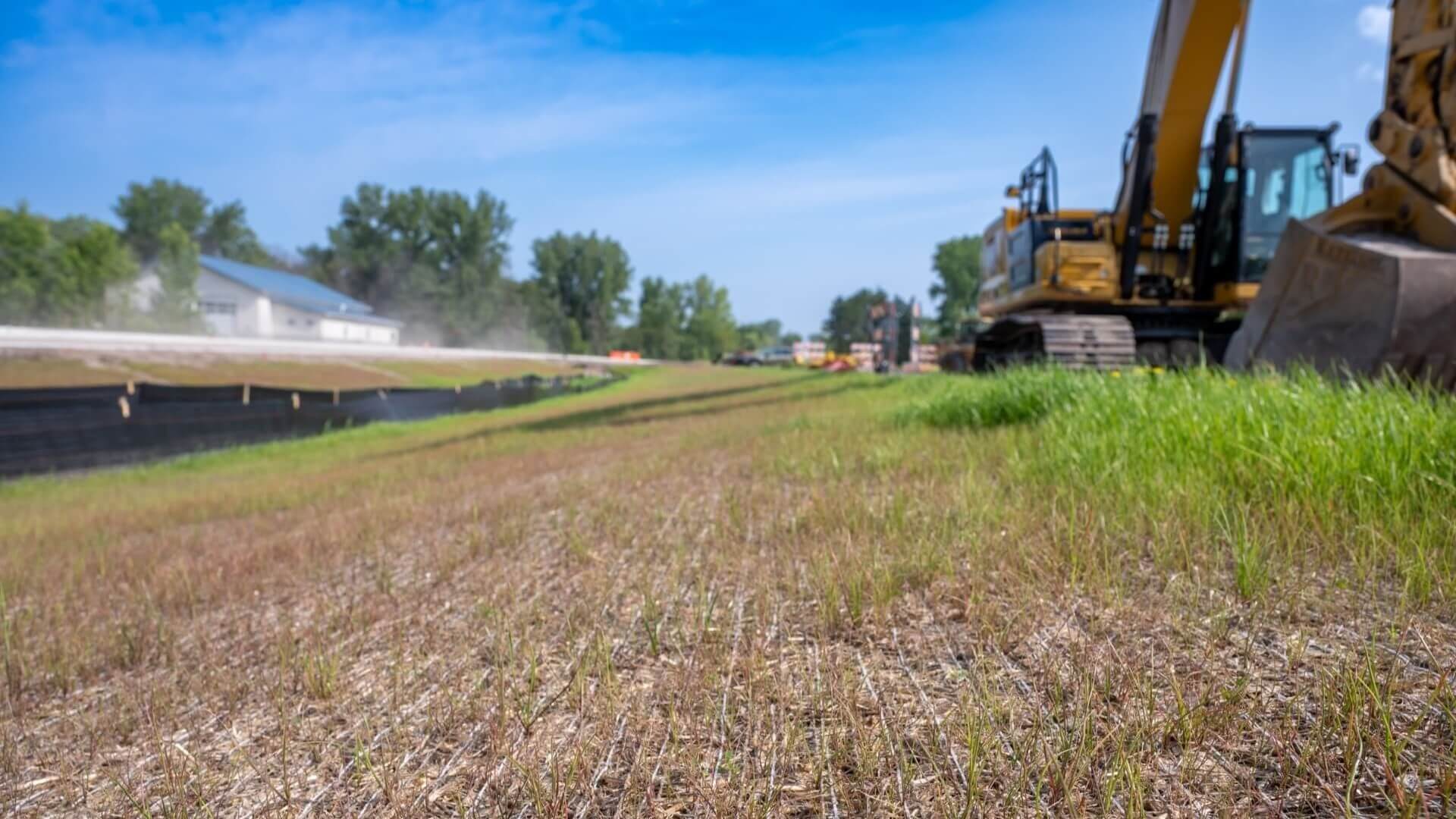
Stormwater Pollution Prevention Plans (SWPPPs) play a critical role in protecting construction projects from costly penalties and delays. If you’re planning grading, site development, or vertical construction, understanding the importance of a SWPPP in Modesto, CA is essential.
In California, stormwater compliance is not optional. It’s a regulatory requirement under the State Water Resources Control Board’s Construction General Permit (CGP). For developers and property owners in Modesto, failing to implement proper stormwater controls can result in significant fines, stop-work orders, and reputational damage.
At North Star Engineering Group’s SWPPP services, our team helps clients stay compliant while keeping projects on schedule and on budget.
What Is a SWPPP?
A Stormwater Pollution Prevention Plan (SWPPP) is a site-specific document required for construction projects that disturb one acre or more of soil — or are part of a larger common plan of development.
A SWPPP outlines:
- Potential sources of stormwater pollution
- Erosion and sediment control measures
- Best Management Practices (BMPs)
- Inspection and maintenance procedures
- Monitoring and reporting requirements
The goal is simple: prevent sediment, debris, and pollutants from leaving your construction site and entering local waterways.
In Modesto and throughout California, compliance is enforced through inspections and documentation requirements. Missing reports, inadequate BMPs, or poor site maintenance can trigger enforcement actions.
Do I Need a SWPPP for My Construction Project in California?
This is one of the most common questions developers ask.
If your project:
- Disturbs one acre or more, or
- Is part of a larger development that exceeds one acre
You are required to obtain permit coverage under the Construction General Permit and prepare a SWPPP.
Even smaller projects may require erosion control measures based on local jurisdiction requirements in Modesto.
Working with a qualified civil engineering firm ensures your SWPPP is properly prepared, filed, and implemented before breaking ground.
What Happens If You Don’t Have a SWPPP?
Skipping or delaying a SWPPP can be extremely expensive.
Potential consequences include:
- State or regional water board fines
- Stop-work orders
- Permit revocation
- Project delays
- Increased scrutiny on future projects
Stormwater violations can carry penalties of thousands of dollars per day. For developers operating in competitive timelines, even a short shutdown can have ripple effects on contractors, financing, and tenant commitments.
By integrating SWPPP planning early — alongside civil engineering design and land planning services — you reduce risk and avoid compliance surprises.
How Does a SWPPP Protect Your Project?
A properly developed and managed SWPPP does more than check a regulatory box. It protects your project in several ways:
1. Reduces Financial Risk
Proactive BMP implementation helps prevent costly enforcement actions.
2. Protects Your Schedule
Stormwater inspections are routine. Being prepared avoids last-minute corrections that can delay grading or paving.
3. Improves Site Safety
Clear erosion control strategies reduce mud tracking, unstable slopes, and water pooling.
4. Strengthens Agency Relationships
Demonstrating compliance builds trust with local and state regulators.
For developers working in Modesto’s growing commercial and residential sectors, having stormwater compliance integrated into early project planning is a strategic advantage.
How Often Does a SWPPP Need to Be Updated?
Another frequent question from project owners:
SWPPPs must be:
- Updated when site conditions change
- Revised after significant rain events
- Maintained throughout active construction
- Properly closed out at project completion
Routine inspections — typically weekly and before/after qualifying rain events — must be documented. Failing to maintain accurate records is one of the most common compliance issues in California construction.
Working with an experienced engineering partner ensures your inspections, documentation, and reporting are handled correctly.
When Should You Start the SWPPP Process?
The best time to begin is before construction begins — ideally during the design and entitlement phase.
Starting early allows:
- Integration of permanent drainage features
- Proper grading coordination
- Efficient BMP placement
- Accurate Notice of Intent (NOI) filing
Pro Tip: Incorporate SWPPP planning during initial site design instead of treating it as a last-minute permit requirement. Early coordination reduces redesign costs and improves compliance outcomes.
At North Star Engineering Group, our team works closely with developers, contractors, and regulatory agencies to ensure stormwater planning aligns with overall project goals. Learn more about our experienced leadership team here.
Why Choose a Local Engineering Partner in Modesto?
Stormwater regulations are statewide, but enforcement and local expectations can vary. A firm familiar with Modesto and the surrounding Central Valley understands:
- Local agency procedures
- Regional water board requirements
- Climate and soil considerations
- Common inspection triggers
By partnering with a local civil engineering team, you gain insight that helps avoid unnecessary risk.
If you’re planning development in Modesto, CA, contact North Star Engineering Group or request a proposal through our project quote page. We’re committed to guiding your project from initial planning through final compliance.
Guiding Your Project from Concept to Completion, right here in Modesto, CA.