


What Is a SWPPP and When Do You Need One in Modesto, CA?
07/01/2026
Word Count | Reading Time ⏱️: 1,148 words | 5 min
Before grading, excavation, or other land-disturbing work begins, there is an important question every developer and project owner should consider: Does this project require a Stormwater Pollution Prevention Plan?
A SWPPP, or Stormwater Pollution Prevention Plan, is designed to address pollutants that could leave a construction site through stormwater runoff. For projects that meet California's requirements, preparing the plan and obtaining the appropriate permit coverage are important steps before construction begins.
Working with professionals experienced in Stormwater Pollution Prevention Plans in Modesto, CA can help project owners identify these requirements early and incorporate stormwater compliance into the overall development process.
What Exactly Is a SWPPP?
A SWPPP is a site-specific plan for controlling pollutants associated with construction activity.
Construction can expose soil and introduce materials that may be carried away when it rains. Sediment is an obvious concern, but construction sites can also contain fuels, concrete materials, paints, waste, chemicals, and other potential pollutants.
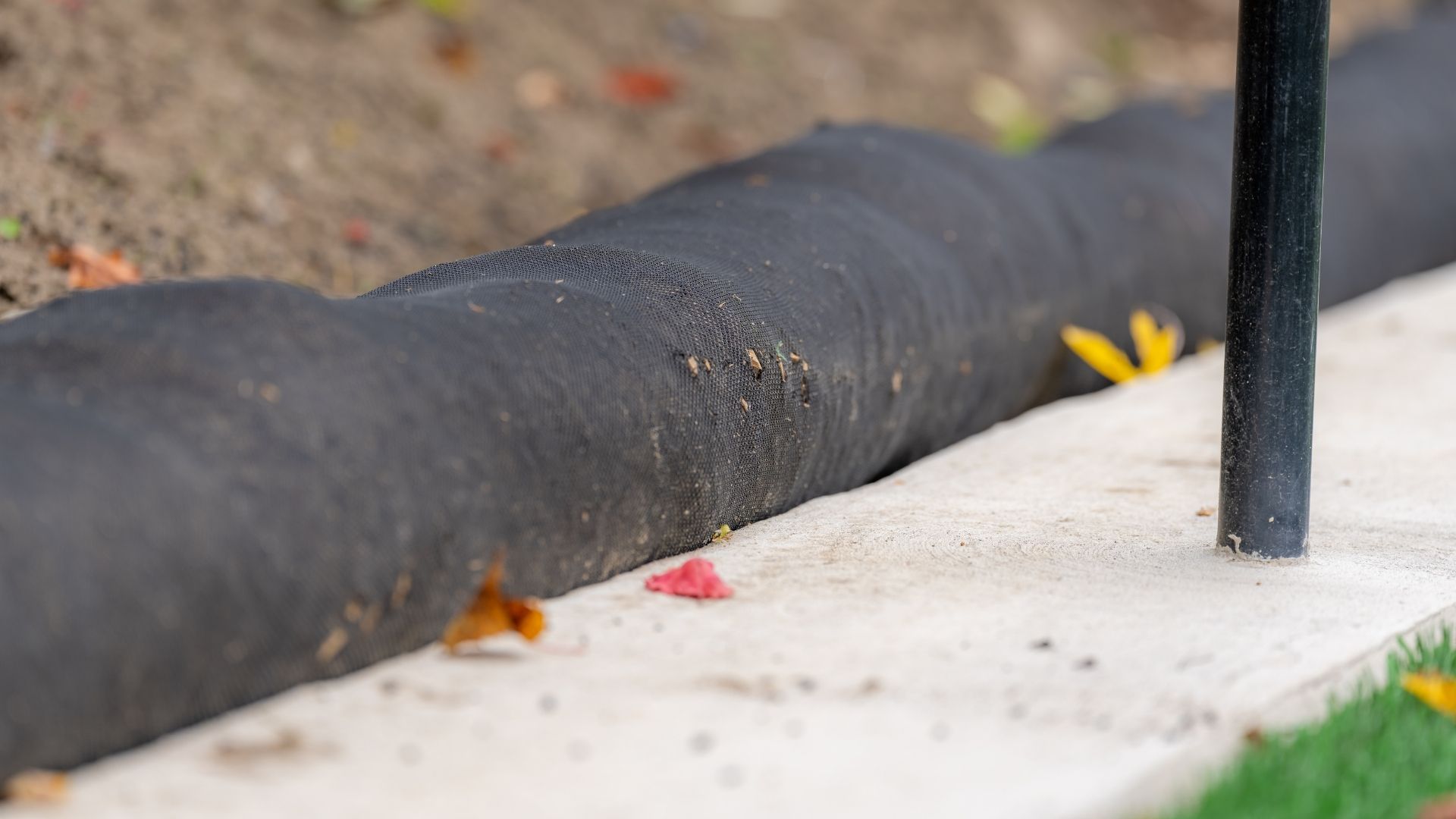
A SWPPP identifies potential sources of stormwater pollution and establishes Best Management Practices, commonly called BMPs, for reducing the risk that those pollutants leave the site.
Depending on the project, BMPs may address areas such as:
- Erosion control
- Sediment control
- Construction entrances and exits
- Material storage
- Waste management
- Concrete-related activities
- Spill prevention and response
- Storm drain protection
- Site inspection and maintenance procedures
A SWPPP is not simply a document prepared at the beginning of a project and forgotten afterward. Conditions change as construction progresses, and stormwater controls may need to change with them.
North Star Engineering Group provides Stormwater Pollution Prevention Plan services as part of its support for land development projects.
What Is the Purpose of a SWPPP?
The purpose of a SWPPP is to identify potential sources of pollution associated with construction activity and establish measures for controlling those pollutants before they enter stormwater runoff.
Think of it as both a planning document and an ongoing framework for stormwater management during construction.
The plan connects site conditions, construction activities, potential pollutants, and appropriate BMPs. It also establishes procedures for monitoring conditions and responding when controls need attention.
Planning for these issues before construction begins is generally much easier than trying to solve them after soil has been disturbed.
Pro Tip: Discuss stormwater requirements during early project planning rather than waiting until grading is ready to begin. Identifying permit and SWPPP requirements early can help prevent stormwater compliance from becoming a last-minute obstacle.
When Is a SWPPP Required in California?
For California construction projects, the one-acre threshold is an important number to understand.
Construction activity that disturbs one acre or more of soil generally requires coverage under California's Construction Stormwater General Permit. A project disturbing less than one acre can also fall under the requirement when it is part of a larger common plan of development or sale that ultimately disturbs one acre or more.
Land-disturbing construction activities can include work such as clearing, grading, excavation, and stockpiling.
That means a project should not be evaluated solely by the footprint of a proposed building. The relevant question is how much land will actually be disturbed by the construction activity and whether the site is part of a larger common development plan.
Local requirements may also apply. Project owners should evaluate both state and applicable local stormwater requirements when planning development in the Modesto area.
Do I Need a SWPPP for Less Than One Acre?
Possibly.
A standalone construction project disturbing less than one acre may not trigger California's Construction General Permit based solely on acreage. However, the analysis does not end there.
If that smaller project is part of a larger common plan of development or sale that collectively disturbs one acre or more, permit coverage may still be required.
Smaller projects can also be subject to other stormwater, erosion-control, or local development requirements even when a full SWPPP under the Construction General Permit is not required.
This is why determining requirements based only on the apparent size of one lot can lead to problems.
What Goes Into a SWPPP?
A SWPPP needs to reflect the actual project rather than function as a generic template.
The plan typically documents relevant site characteristics, anticipated construction activities, potential pollutant sources, drainage considerations, and the BMPs selected for the project.
It also establishes procedures for implementing and maintaining those controls during construction.
For example, a project may need controls designed to prevent sediment from leaving disturbed areas. Materials stored outdoors may require protection from rainfall. Construction entrances may need measures to reduce tracking soil onto nearby streets.
The appropriate approach depends on the site and project.
SWPPP planning can also overlap with broader civil engineering considerations. Grading, drainage, site improvements, and construction sequencing can all affect how stormwater moves through a site. North Star Engineering Group's civil engineering services help address these interconnected elements of land development.
Who Prepares and Manages a SWPPP?
California's Construction General Permit establishes qualification requirements for individuals performing certain SWPPP-related responsibilities.
A Qualified SWPPP Developer, commonly referred to as a QSD, handles specified plan development responsibilities, while a Qualified SWPPP Practitioner, or QSP, performs specified implementation responsibilities in the field.
This distinction matters because preparing a compliant plan is only part of the process.
Once construction starts, BMPs need to be installed, inspected, maintained, and adjusted as site conditions change. Documentation and monitoring requirements may also apply based on the project's permit requirements and risk level.
What Happens After a SWPPP Is Prepared?
The SWPPP becomes an active part of construction stormwater management.
The project team must implement the applicable BMPs and follow required inspection, monitoring, reporting, and recordkeeping procedures. When site conditions or construction activities change, the SWPPP may need to be updated accordingly.
For example, controls appropriate during initial grading may not be sufficient during later phases of construction.
The project eventually must also complete the applicable process for terminating permit coverage once the required conditions have been satisfied.
The key point is simple: SWPPP compliance continues throughout the construction process.
Why Early Stormwater Planning Matters for Development
Stormwater requirements are one piece of a much larger development puzzle.
A project may also involve land planning, surveying, grading and drainage design, utility coordination, agency review, and other engineering considerations. Addressing each requirement in isolation can create unnecessary complications.
Early coordination allows the project team to consider how these pieces interact.
For example, land planning decisions can influence site layout, while civil engineering determines how improvements, grading, and drainage work together. Stormwater planning then needs to reflect the actual construction and site conditions created by those decisions.
For developers, property owners, and contractors, the advantage is not merely producing another required document. It is integrating compliance into the project before construction is underway.
Know Your SWPPP Requirements Before Breaking Ground
If your project involves clearing, grading, excavation, or other significant land disturbance, determine your stormwater obligations early.
Projects disturbing one acre or more generally require California Construction General Permit coverage, while smaller projects may also qualify when they are part of a larger common plan of development. Additional local requirements can apply as well.
Professional guidance for Stormwater Pollution Prevention Plans in Modesto, CA can help you determine what applies to your project and prepare for those requirements as part of the development process.
North Star Engineering Group provides planning, civil engineering, land surveying, and stormwater services to help coordinate projects from the earliest concepts through construction. Learn more about North Star Engineering Group or request a quote for your upcoming project.
Guiding Your Project from Concept to Completion, right here in Modesto, CA.